Ek Nagari
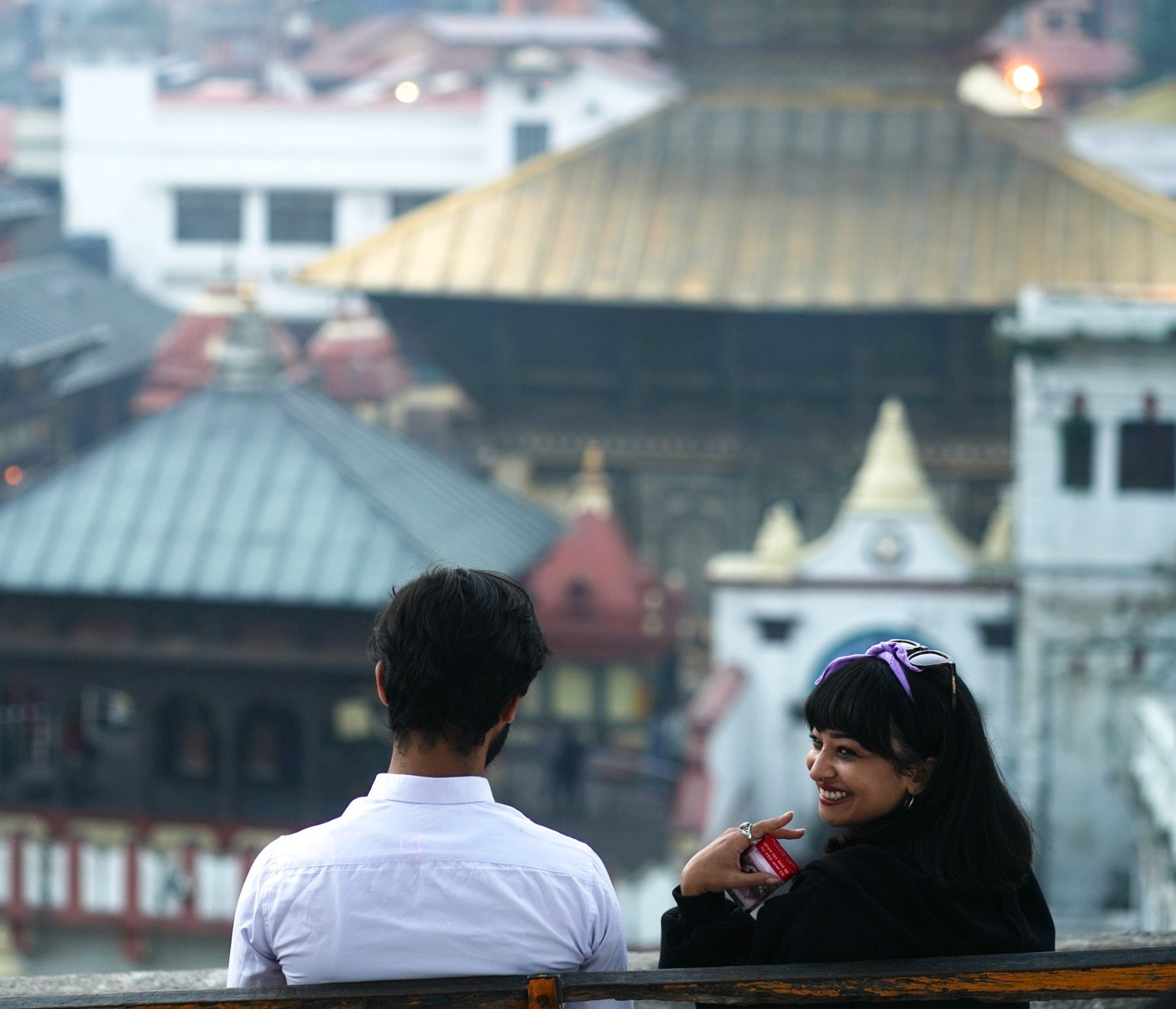

Ek Nagari is a love letter to Kathmandu and an exploration of what it means to live and survive in the city.
The city of Kathmandu stands as a symbol of Nepal’s identity, its claim historically signifying power since the Middle Ages. Today, this vibrant city continues to draw thousands, each grappling with their pursuit of ownership and belonging.
In the late 90s, a tide of migrants surged into Kathmandu, driven by the waves of the Maoist revolution. This influx transformed the city into a vibrant mosaic of cultures, tongues, and perspectives, infusing its alleys with bustling energy and a kaleidoscope of hopes and dreams. Yet, amidst this swirling sea of humanity, the city found itself grappling with the effects of unanticipated growth, giving rise to challenges still unmet. A big element of the story is Adarsh’s struggle with addiction. In a place where unmonitored drugs are rampant at a cheap price, an escape has been easy to afford. Adarsh decides to get clean when he moves back to where it all started.
In the heart of this urban symphony lies the bustling intersection of Putalisadak, where Ek Nagari unfolds. Here, amidst a cacophony of honking horns and shifting crowds, educational consultancies thrive as gatekeepers to distant horizons, promising the youth of Nepal brighter futures abroad. Yet, beneath the veneer of opportunity lies a shadowy truth, in which the pursuit of profit often eclipses the principles of legality and morality.
Yet, amidst the chaos, Kathmandu retains a youthful vigor and ambition, periodically rejuvenating itself. While challenges persist, the city remains an axis of culture, community, and energy. There’s always something going on in the city, at all times of the day. For, in Kathmandu, the past whispers through the stones of its ancient temples, while the future unfolds with the footsteps of those who dare to dream amidst the chaos.
Currently in Post-Production.


